
Season Tracker
A full profile now and a re-test later, to see what your training changed.
- Full Physiological Profile
- Lactate Profile, booked later
- Training & Racing Review (we'll arrange a time)
£249£332 separately · save £83
Blood lactate measurements and threshold assessment.
Who it suits: Athletes who want threshold-based training zones, or a check-in 10–12 weeks after a full profile.
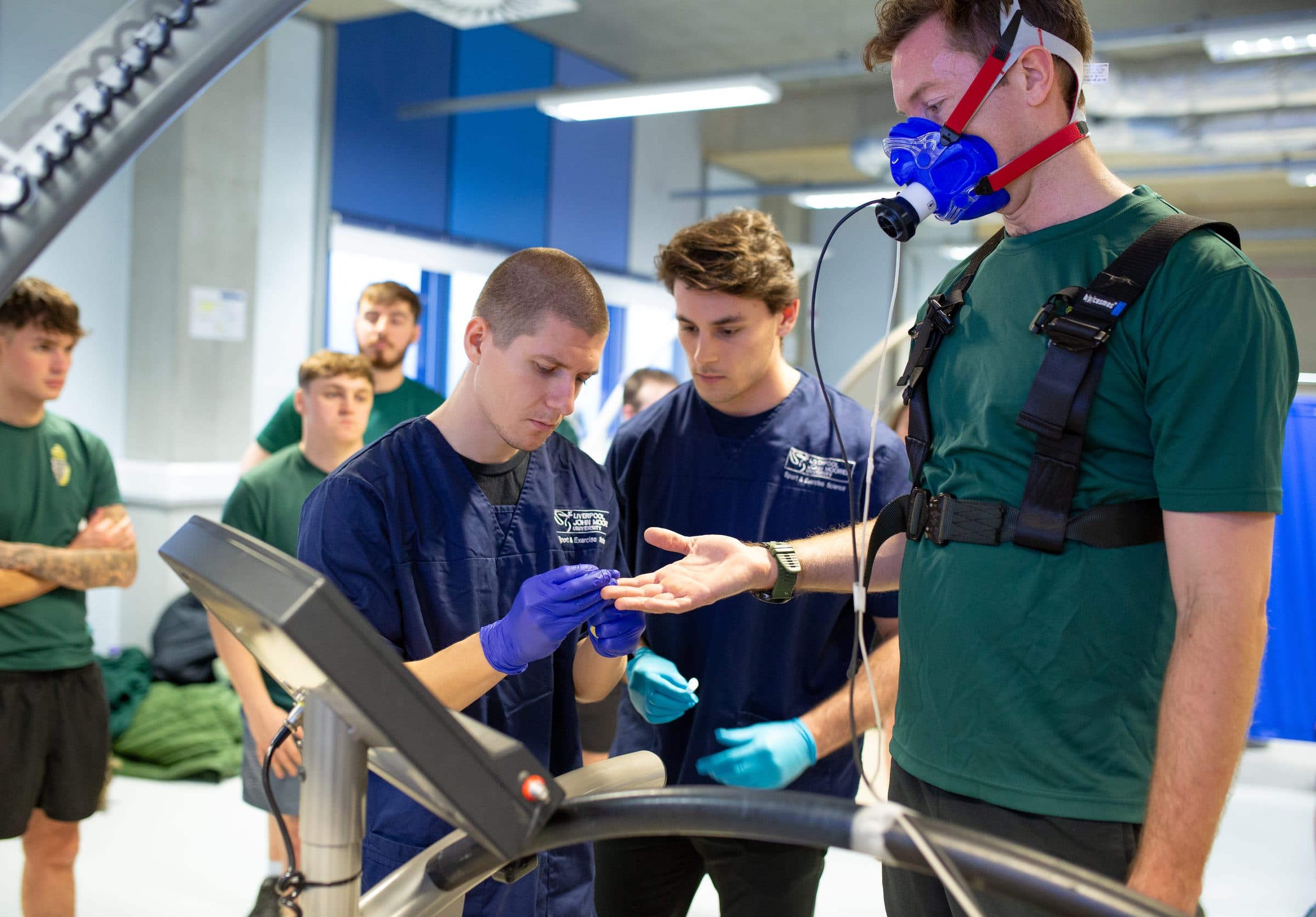
Blood lactate is measured at each stage of an incremental test to identify your lactate thresholds and set training zones from them. It also works as a repeat assessment between full physiological profiles. It does not include gas-exchange (V̇O₂max) measurements.
A full profile now and a re-test later, to see what your training changed.
Choose extras on the first step of booking.
Read what happens on the day, what to wear and how to prepare.
Open a 5-page sample of the Lactate Profile report.
Open PDFIt measures blood lactate at every stage to find your thresholds and set training zones, but doesn't include gas-exchange (VO2 max) measurements. It works as a test on its own, or as a check-in 10–12 weeks after a full profile.
A stepped ride or run with a small blood sample at the end of each step. About 75 minutes door to door.
£122 per person, including the test and your written report.
Pre-test: repeat what you did before your last test if possible — keeps the comparison fair.
Same kit you wore for your full profile — keeps the comparison clean.
A written report covering refreshed aerobic / threshold intensities; updated zones.
Performance Hub, Tom Reilly Building, Liverpool John Moores University, Byrom St, Liverpool L3 3AF.